Sleep That Actually Works: My Real Talk on Beating Insomnia for Good
You know that feeling—tossing and turning, mind racing at 2 a.m., begging your body to just shut off? I’ve been there, way more times than I’d like to admit. For months, sleep felt like a cruel joke. But instead of giving up, I built a no-BS recovery plan that finally worked. No magic pills, no wild claims—just simple, science-backed moves that made real change. If you’re tired of being tired, this one’s for you. What started as a desperate search for relief turned into a deeper understanding of how sleep truly works, and how we can reclaim it without fear, shame, or quick fixes that backfire.
The Breaking Point: When Sleep Became a Nightmare
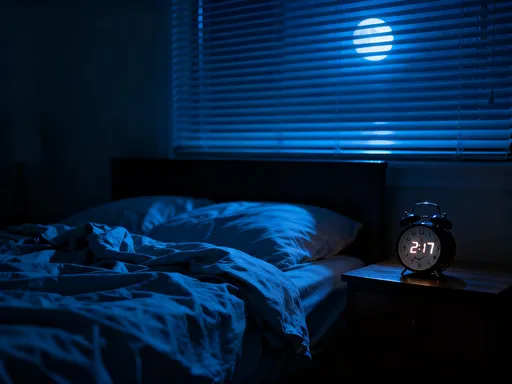
It didn’t happen overnight. At first, it was just a few restless nights—maybe stress from work, or too much coffee in the afternoon. But soon, those nights became the norm. I’d lie in bed, heart pounding, eyes wide open, watching the minutes crawl by on the clock. 1:17. 1:48. 2:03. Each number felt like a judgment: You’re failing at the most basic human function. By morning, I’d drag myself out of bed, foggy-headed and irritable, surviving on caffeine and sheer willpower.
The emotional toll was worse than the fatigue. I felt isolated, like no one understood how exhausting it is to face every day already defeated. I tried everything—melatonin gummies, herbal teas, white noise machines, even counting sheep. Some helped for a night or two, but nothing stuck. I’d fall into a cycle: one good night, then three bad ones. The more I wanted sleep, the more it slipped away. I started dreading bedtime, which only made it harder to relax.
What finally changed was realizing this wasn’t just ‘bad sleep’—it was chronic insomnia, and it wasn’t something I could power through. I had to stop treating it like a minor inconvenience and start seeing it as a signal that my nervous system was out of balance. That moment of clarity—when I stopped blaming myself and started seeking real solutions—was the first step toward recovery.
What Insomnia Really Is (And What It Isn’t)
Many people think insomnia is just about not being able to fall asleep. But it’s more complex than that. Insomnia is a persistent pattern of difficulty falling asleep, staying asleep, or waking too early—and feeling unrefreshed during the day. It’s not just a symptom; it’s often a condition shaped by stress, poor sleep habits, and an overactive mind. The key difference between occasional sleeplessness and true insomnia is frequency and impact. If poor sleep happens less than once a week and doesn’t affect your daily life, it’s likely normal. But when it becomes a regular struggle that drains your energy, mood, and focus, it’s time to take action.
At its core, insomnia is driven by hyperarousal—a state where your nervous system stays on high alert, even when you’re trying to rest. This isn’t just mental stress; it’s physiological. Your body might be producing too much cortisol, the so-called ‘stress hormone,’ or your brain may be stuck in a loop of rumination. Over time, your body learns to associate the bed with frustration and wakefulness instead of rest and safety. This is why simply ‘trying harder’ to sleep backfires. The harder you try, the more alert you become.
Your circadian rhythm—the internal clock that regulates when you feel sleepy and awake—also plays a major role. When it’s disrupted by irregular schedules, late-night screen use, or poor light exposure, your body loses its natural cues for rest. The good news is that this rhythm can be reset. Unlike some health issues that require medical intervention, most cases of chronic insomnia respond well to behavioral changes. That doesn’t mean it’s easy, but it does mean you have more control than you think.
Why Quick Fixes Fail: The Trap of Pills and Panic
When you’re desperate, anything that promises relief sounds appealing. I tried over-the-counter sleep aids, thinking they’d give me a break. Some knocked me out, but I’d wake up groggy, disoriented, and still exhausted. Others did nothing at all. What I didn’t realize at the time was that many of these products—especially antihistamines—don’t support natural sleep architecture. They might make you drowsy, but they don’t help you move through the full sleep cycle, including deep sleep and REM sleep, which are essential for true restoration.
Then there was the occasional glass of wine to ‘take the edge off.’ It did help me fall asleep faster—initially. But alcohol fragments sleep, especially in the second half of the night. I’d wake up at 3 a.m., wide awake, and couldn’t get back to sleep. What felt like a solution was actually making the problem worse. Even melatonin, while helpful for some, didn’t work for me in the long term. Taking it every night without addressing the root causes was like putting a bandage on a wound that needed stitches.
Perhaps the biggest trap was the anxiety around sleep itself. I became so focused on getting eight hours that I’d panic if I wasn’t asleep by 10:30. That fear created a feedback loop: the more I worried about not sleeping, the more my body stayed alert. Sleep can’t be forced. It’s a state that emerges when conditions are right—when your body feels safe, your mind is quiet, and your habits support rest. Chasing sleep with pills or pressure only pushes it further away.
Building My Recovery Plan: The 4-Pillar Approach
After months of trial and error, I found a framework that actually worked—one rooted in cognitive behavioral therapy for insomnia (CBT-I), the gold standard treatment recommended by sleep specialists. It’s not flashy, but it’s effective. My version has four pillars: **Stimulus Control, Sleep Restriction, Cognitive Reframing, and Wind-Down Rituals**. None of them are miracle cures, but together, they helped retrain my brain and body to sleep naturally again.
**Stimulus Control** is about rebuilding the mental link between your bed and sleep. If you spend hours lying awake, your brain starts to associate the bed with wakefulness. The rule is simple: use the bed only for sleep and intimacy. If you can’t fall asleep within 20 minutes, get up and go to another room. Read a book, drink water, do something calm and quiet—no screens—until you feel sleepy. Then return to bed. This teaches your brain that the bed means sleep, not struggle.
**Sleep Restriction** sounds harsh, but it’s powerful. It involves limiting your time in bed to match your actual sleep time. For example, if you’re only sleeping five hours a night, you restrict your time in bed to five hours—even if you’re tired. This builds up sleep pressure, making you more likely to fall asleep quickly and stay asleep. As your efficiency improves, you gradually add time back. It’s not about deprivation; it’s about resetting your body’s ability to fall and stay asleep.
**Cognitive Reframing** tackles the negative thoughts that keep you awake. Instead of thinking, ‘I’ll never sleep,’ or ‘If I don’t get eight hours, tomorrow will be ruined,’ you learn to replace those with calmer, more realistic thoughts: ‘My body knows how to rest,’ or ‘Even if I’m awake, I’m still resting.’ This reduces the fear of sleeplessness and breaks the cycle of anxiety.
Finally, **Wind-Down Rituals** create a buffer between the busyness of the day and the stillness of sleep. These aren’t about perfection—they’re about consistency. A warm bath, gentle stretching, journaling, or listening to soft music can signal to your body that it’s time to shift gears. The goal isn’t to fall asleep during the ritual, but to prepare your nervous system for rest.
Rewiring My Evenings: The Pre-Bed Routine That Stuck
I used to scroll through my phone in bed, thinking it helped me unwind. It didn’t. The blue light suppressed melatonin, and the content—emails, social media, news—kept my mind engaged. One of the first changes I made was a device curfew: no screens one hour before bed. At first, it felt strange, even boring. But that boredom turned out to be a gift. Without constant stimulation, my mind began to slow down naturally.
I started dimming the lights around 8 p.m. to mimic sunset, which helps the body produce melatonin. I lit candles or used warm, low-wattage lamps. I also introduced breathwork—specifically, the 4-7-8 method: inhale for four seconds, hold for seven, exhale for eight. It sounds simple, but it activates the parasympathetic nervous system, the part responsible for rest and digestion. Within a few minutes, my heart rate slowed, and my thoughts quieted.
Grounding techniques also helped. I’d place my feet on the floor and name five things I could see, four I could touch, three I could hear, two I could smell, and one I could taste. This brought me into the present moment and pulled me out of rumination. I also kept a notepad by the bed to write down any lingering thoughts—‘Call the dentist,’ ‘Buy groceries’—so I wouldn’t keep rehearsing them in my head.
Not every habit worked right away. I tried lavender oil, but it gave me a headache. I attempted meditation apps, but some had voices that annoyed me. The key was experimentation without pressure. I focused on what felt calming, not what was trendy. Over time, these small choices added up to a routine that my body began to recognize and respond to.
Daytime Moves That Boost Nighttime Rest
Sleep doesn’t start at bedtime—it starts the moment you wake up. One of the most impactful changes I made was getting morning light exposure. Within 30 minutes of waking, I’d step outside, even if it was cloudy, for 10 to 15 minutes. Natural light helps regulate your circadian rhythm by suppressing melatonin and signaling wakefulness. This small act made me more alert during the day and more tired at night.
Movement was another game-changer. I didn’t need intense workouts—just 20 to 30 minutes of walking, stretching, or light strength training most days. Exercise helps reduce anxiety and increases the drive for deep sleep. But timing matters. I learned not to exercise too close to bedtime, as it could be too stimulating. Late afternoon or early evening was ideal.
Meal timing also played a role. Eating too late, especially heavy or spicy foods, disrupted my digestion and made it harder to relax. I aimed to finish dinner at least two to three hours before bed. I also paid attention to caffeine. I used to drink coffee after noon and wonder why I couldn’t sleep. Now, I stop by 2 p.m., and the difference is clear. Even decaf can have small amounts of caffeine, so I switched to herbal tea in the afternoon.
Managing daily stress was crucial. Chronic stress keeps cortisol elevated, which interferes with sleep. I started incorporating small pauses throughout the day—deep breaths at red lights, a five-minute walk after lunch, mindful sipping of tea. These micro-moments of calm added up, making it easier to transition into rest at night. Sleep isn’t isolated; it’s connected to everything you do from morning to night.
Progress Isn’t Linear: Handling Setbacks Without Quitting
There were nights—many of them—when I did everything ‘right’ and still couldn’t sleep. Old habits crept back in. Travel, time changes, or stressful events would knock me off track. At first, each setback felt like failure. I’d think, ‘I’ve ruined all my progress.’ But I learned that recovery isn’t a straight line. It’s more like a spiral—forward movement with occasional dips.
What helped was shifting my mindset. Instead of judging myself, I practiced self-compassion. I’d ask, ‘What do I need tonight?’ Maybe it was a warm drink, a favorite book, or just accepting that rest—even without sleep—is still valuable. I stopped seeing bad nights as proof of failure and started seeing them as part of the process.
I also learned when to ask for help. While most cases of insomnia improve with behavioral changes, some may need professional support. If sleep issues persist despite consistent effort, it’s wise to consult a doctor or sleep specialist. There could be underlying factors like sleep apnea, hormonal changes, or medication side effects. There’s no shame in seeking guidance. In fact, it’s one of the bravest things you can do for your health.
From Survival to Thriving: How Real Sleep Changed Everything
Today, sleep isn’t perfect—but it’s reliable. I don’t always fall asleep instantly, and I still have the occasional restless night. But I no longer fear bedtime. I trust my body’s ability to rest. The fog has lifted. My focus is sharper, my mood more stable, and my energy more consistent. I’m more patient with my family, more present at work, and more resilient in the face of stress.
What I’ve gained isn’t just more hours of sleep—it’s a deeper sense of well-being. I’ve learned that sleep isn’t a luxury or a reward for a productive day. It’s a foundation, like nutrition or hydration, essential for every part of life. When you prioritize it, everything else improves.
If you’re in the thick of insomnia, know this: you’re not broken. You’re not alone. And you don’t need a miracle to get better. You need a plan, patience, and the courage to try again—even after a bad night. It took me months to rebuild my relationship with sleep, but every small step added up. I started with one change, then another, and slowly, the pieces came together. You can do this too. Not perfectly, not overnight—but steadily, gently, and for good.