How I Found Balance: My Yoga and Mindfulness Journey with TCM Wisdom
Ever feel like your body and mind are out of sync? I did—until I blended yoga, mindfulness, and Traditional Chinese Medicine (TCM) into my routine. No magic fixes, just small, consistent shifts. I started tracking how I felt each morning, adjusted my movements and breathing, and slowly noticed real changes. This isn’t about perfection—it’s about awareness. Here’s how I assessed my health and built a practice that actually fits real life.
The Wake-Up Call: Recognizing My Imbalance
For years, I believed exhaustion was just part of being a busy woman managing home, family, and personal responsibilities. I drank extra coffee in the morning, powered through afternoon slumps with sugary snacks, and told myself I’d rest ‘when things slowed down.’ But they never did. The turning point came when I found myself sitting on the bathroom floor one evening, too drained to make dinner, my thoughts foggy and my shoulders tight. That moment forced me to ask: Why am I this tired when I’m doing everything ‘right’?
It wasn’t until I began studying Traditional Chinese Medicine that I started to see my symptoms differently. In TCM, fatigue, brain fog, and irritability aren’t random inconveniences—they are signals of deeper imbalances. The concept of Qi, or vital energy, resonated deeply. I learned that Qi flows through meridians in the body, and when that flow is blocked or deficient, symptoms arise. My constant low energy wasn’t laziness—it pointed to Qi deficiency. My mood swings and tension suggested stagnant Liver Qi, often caused by stress and emotional suppression. For the first time, I didn’t feel broken; I felt misunderstood by a system that only treated symptoms.
With this new understanding, I began simple self-assessments rooted in TCM diagnostics. Every morning, I observed my tongue in the mirror—looking for changes in color, coating, and shape. A pale tongue could indicate blood or Qi deficiency; a thick white coating might suggest dampness or digestive sluggishness. I also started a daily journal to log my energy levels, mood, digestion, and sleep. These weren’t clinical tests, but over time, patterns emerged. I noticed that after stressful days, my tongue had a redder tip and my digestion slowed. On days I rested or spent time outdoors, my energy was steadier. This awareness didn’t fix everything overnight, but it gave me a language to understand my body. It was the first step toward mindful healing—learning to listen before reacting.
Why Yoga and Mindfulness Fit Perfectly with TCM
One of the most profound realizations in my journey was discovering how naturally yoga and mindfulness align with TCM principles. Western wellness often treats the body and mind as separate entities—one for the gym, the other for therapy. But TCM has always viewed them as interconnected. The body holds emotion; the mind influences physical function. This holistic lens made yoga more than just stretching—it became a moving meditation that nurtured both Qi and emotional equilibrium.
Take breathwork, or pranayama, a core component of yoga. In TCM, the Lungs govern Qi and are deeply affected by grief and sadness. Shallow breathing, common in times of stress, restricts Qi flow and weakens Lung function. When I began practicing slow, deep diaphragmatic breathing each morning, I wasn’t just calming my nervous system—I was actively supporting my Lung Qi. This simple act helped me feel more grounded and less reactive to daily stressors. Over time, I noticed fewer episodes of that tight-chest sensation that used to come with anxiety.
Mindfulness, too, plays a vital role in TCM health. The Liver, in TCM theory, is responsible for the smooth flow of Qi and emotions. When stressed or frustrated, Liver Qi can become stagnant, leading to irritability, headaches, and even digestive discomfort. Mindfulness practices—such as sitting quietly and observing thoughts without judgment—help release this stagnation. By creating mental space, I allowed my Liver Qi to move freely again. I didn’t need to ‘fix’ my emotions; I just needed to acknowledge them. This gentle approach, rooted in awareness rather than force, became the cornerstone of my healing.
Unlike quick-fix solutions, yoga and mindfulness don’t mask symptoms—they address the root. A headache isn’t just a headache; it may be a sign of rising Liver Yang or tension from Qi blockage. Instead of reaching for medication, I learned to pause, breathe, and assess. Was I overworked? Emotionally overwhelmed? The answer often guided my next step: a few minutes of stretching, a quiet moment of reflection, or simply resting. This shift—from reaction to response—transformed my relationship with my health.
Building My Personal Health Check-In Routine
Knowledge is powerful, but without consistent tracking, it’s easy to miss subtle shifts. I realized that waiting for a crisis to act wasn’t sustainable. So, I created a simple, weekly health check-in—a blend of TCM-inspired observation and practical self-awareness. This routine didn’t require special tools or appointments. It just required honesty and a few quiet minutes each week.
My 5-point checklist became my compass. First, I assessed my energy patterns: when did I feel most alert? When did I crash? I noticed that on days I skipped breakfast or ate heavy meals, my afternoon energy dipped sharply. This aligned with TCM’s view that the Spleen governs digestion and transforms food into usable Qi. Poor dietary choices were literally draining my energy.
Second, I tracked my sleep quality. In TCM, the Heart houses the mind (Shen), and restless sleep often indicates Shen disturbance. I rated my sleep from 1 to 10, noting how long it took to fall asleep and whether I woke frequently. Over time, I linked poor sleep to late-night screen use and unresolved stress. Simple changes—like turning off devices an hour before bed and doing a short yin yoga sequence—helped anchor my Shen and improve rest.
Third, I monitored my digestion. Bloating, gas, or irregular bowel movements aren’t just inconvenient—they signal digestive imbalance. TCM emphasizes the importance of regular, smooth elimination as a sign of healthy Spleen and Stomach Qi. I began eating more warm, cooked foods and chewing thoroughly, which eased bloating and improved my overall vitality.
Fourth, I checked my mood and emotional state. Was I feeling calm, irritable, or withdrawn? In TCM, emotions are valid physiological signals. Persistent anger may point to Liver imbalance; excessive worry may reflect Spleen Qi deficiency. By naming my emotions without judgment, I could address them with care—perhaps with a walk in nature or a few minutes of deep breathing.
Finally, I observed my physical signs, like tongue appearance and skin condition. A cracked tongue might suggest Yin deficiency; dry skin could indicate fluid depletion. These observations weren’t diagnoses, but clues. When I saw changes, I adjusted—drinking more warm water, adding rest, or choosing foods that nourished Yin, like pears and black sesame seeds.
This weekly ritual didn’t take more than 15 minutes, yet it offered profound insight. I wasn’t chasing perfection—I was cultivating awareness. And that awareness became the foundation of lasting balance.
The 3-Part Practice That Actually Worked for Me
With my check-in routine in place, I needed a practice that was sustainable, not overwhelming. I experimented with long yoga sessions, silent retreats, and intensive breathwork—but consistency suffered. The breakthrough came when I simplified. I designed a three-part daily rhythm that fit into real life, even on the busiest days. Each segment lasted just 10 minutes, but together, they created a powerful synergy that supported my Qi, calmed my mind, and honored my body’s natural cycles.
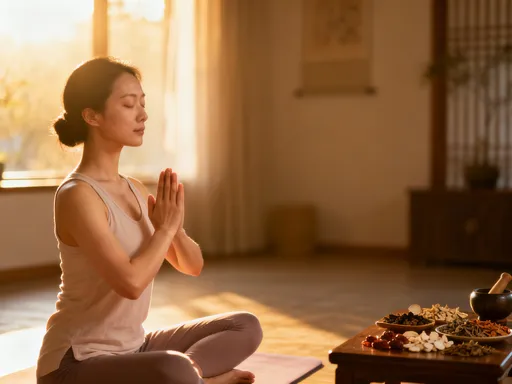
The first part was morning Qi activation. Right after waking, before checking my phone, I sat by the window and practiced deep abdominal breathing. I inhaled slowly through the nose, allowing my belly to rise, then exhaled fully, drawing the navel toward the spine. This wasn’t just about oxygen—it was about waking up my Lung and Spleen Qi, preparing my body for the day. I visualized golden light filling my core, energizing my system. On days I skipped this, I felt scattered and reactive. When I did it, I felt centered and ready.
The second part was midday mindful stretching. Around noon, when energy often dipped, I stepped away from my desk for a short sequence. I focused on gentle twists and side bends—movements that stimulate Liver and Gallbladder meridians, helping to release stagnation caused by sitting and stress. Each stretch was paired with awareness: I paid attention to areas of tightness, breathing into them without forcing. This wasn’t exercise for fitness; it was movement as medicine. I noticed that after just a few days, my shoulders relaxed, and my mental clarity improved.
The third part was evening yin yoga. Before bed, I moved through a series of floor-based poses—child’s pose, seated forward bend, reclining butterfly—each held for three to five minutes. Yin yoga targets the deep connective tissues and meridians, making it ideal for nourishing Yin energy, which tends to be depleted in busy, overstimulated lives. In TCM, Yin represents rest, nourishment, and stillness. Modern life often burns Yin through constant activity and screen exposure. By dedicating time to slow, passive stretching, I was replenishing what had been lost. My body softened, my mind quieted, and sleep deepened.
What made this trio effective wasn’t intensity—it was regularity. Ten minutes, three times a day, became non-negotiable, like brushing my teeth. I didn’t need a perfect space or special clothes. I could do it in my living room, in pajamas, with a blanket under me. The key was showing up. Over time, the benefits accumulated: fewer headaches, better digestion, and a growing sense of calm that stayed with me even during stressful moments.
Common Mistakes (And How I Fixed Mine)
Looking back, my early attempts at wellness were driven by effort, not wisdom. I believed that more was better—that longer yoga sessions, stricter diets, and silent meditation would speed up results. But I quickly learned that pushing too hard could worsen imbalances. One of my biggest mistakes was practicing intense vinyasa flows when I was already fatigued. In TCM terms, this drained my Qi further, deepening deficiency. I felt more tired, not less. I had mistaken discipline for self-care.
Another misstep was ignoring emotional signals. I’d force myself to meditate when I felt angry or sad, believing stillness meant suppressing emotion. But in TCM, emotions are meant to flow. When I resisted them, I created stagnation. I learned that sometimes, the most healing practice wasn’t sitting still—it was walking in the woods, journaling, or simply crying. Mindfulness isn’t about becoming emotionless; it’s about being present with what is.
I also overlooked the importance of rest days. I thought consistency meant doing something every single day, no matter what. But the body needs cycles of activity and recovery. In TCM, overwork injures the Spleen and depletes Qi. When I finally allowed myself to rest—truly rest, without guilt—I noticed my energy returned more easily. I began to honor my body’s rhythms, not fight them.
These mistakes taught me a crucial lesson: listening is more important than doing. Wellness isn’t about pushing through discomfort. It’s about tuning in. Now, before I begin any practice, I ask: How do I feel today? Am I depleted or energized? Am I holding tension? My routine adapts accordingly. On low-energy days, I skip stretching and focus on breath and rest. On emotional days, I prioritize mindfulness over movement. This flexibility hasn’t weakened my practice—it’s strengthened it. By responding to my body instead of forcing it, I’ve built resilience, not burnout.
When to Seek Guidance: Honoring Limits
While self-awareness and personal practice are powerful, they are not substitutes for professional care. There were moments when my symptoms persisted despite my best efforts—times when fatigue didn’t lift, sleep remained elusive, or digestion stayed irregular. That’s when I realized it was time to seek help. I consulted a licensed TCM practitioner who reviewed my history, observed my pulse and tongue, and offered personalized guidance. She recommended dietary adjustments, herbal support, and acupuncture—all within a safe, regulated framework.
This step wasn’t a failure; it was an act of wisdom. TCM is a complex system with decades of training behind it. While I could use basic principles to guide my daily choices, I couldn’t replace the expertise of a trained professional. Similarly, I maintained contact with my primary care provider to rule out underlying medical conditions. Integrative care—blending self-practice with professional support—became my balanced approach.
I also learned to recognize red flags: sudden weight loss, persistent pain, or severe mood changes. These are not signs to self-treat with yoga or mindfulness alone. They are signals to seek qualified medical evaluation. Wellness should empower, not endanger. By honoring my limits and knowing when to ask for help, I protected my progress and deepened my respect for the healing process.
Making It Last: Weaving Wellness into Daily Life
Sustainability isn’t about rigid routines—it’s about integration. The most transformative change in my journey was shifting from ‘I have to do this’ to ‘I get to do this.’ I stopped viewing yoga and mindfulness as chores and began seeing them as gifts. I adapted my practice to fit my life, not the other way around. If I couldn’t do my full routine, I did one breath. If I missed a day, I didn’t berate myself—I simply returned the next day.
I used environmental cues to support consistency. Morning light triggered my Qi breathing. The sound of my tea kettle became a signal for midday stretching. Evening dimming lights reminded me of yin yoga. These small anchors made mindfulness automatic, not forced. I also involved my family—sometimes, my daughter joined me in gentle stretches, or my husband practiced deep breathing with me before bed. Wellness became a shared value, not a solitary pursuit.
Flexibility was key. Travel, holidays, or unexpected events disrupted my routine, and that was okay. I learned to adjust—practicing breathwork on a plane, doing seated stretches at a hotel, or simply observing my breath while waiting in line. The goal wasn’t perfection; it was presence. Over time, these small moments accumulated into lasting change. My energy stabilized. My mood balanced. My body felt like home again.
This journey taught me that health isn’t a destination—it’s a daily conversation with your body. By blending ancient TCM insight with accessible yoga and mindfulness tools, I found a way to listen, respond, and thrive. It’s not about fixing everything at once, but moving forward—one breath, one moment, one mindful choice at a time.