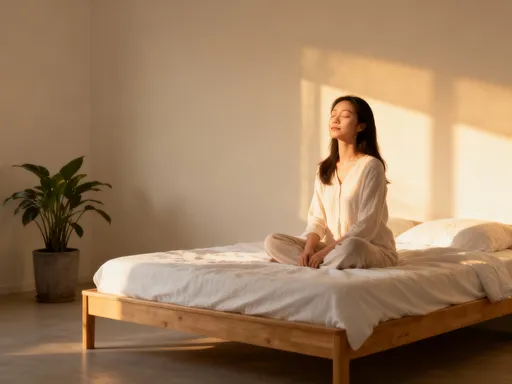
How I Found Calm Fast: My Qi Gong Secret for Mental Balance
Ever feel like your mind won’t shut off? I was stuck in constant stress—until I tried a simple qi gong practice. No magic, no hype—just gentle movements and breath that actually calmed my thoughts. I didn’t expect results so fast, but within days, I felt clearer and more centered. This isn’t about fixing everything overnight. It’s about giving your nervous system a natural reset. If you’re overwhelmed and need balance without pills or pressure, this real, science-backed method might be what you’ve been missing.
The Modern Mind Under Pressure
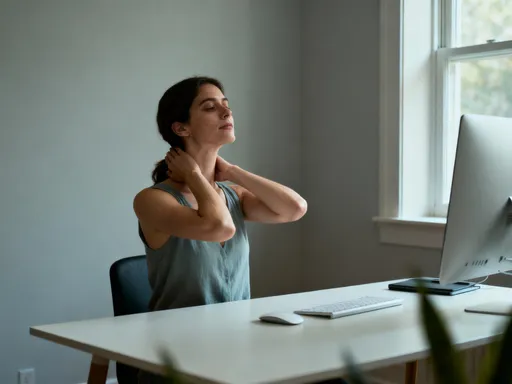
In today’s world, mental imbalance has quietly become a silent epidemic. Women between the ages of 30 and 55—often balancing careers, family responsibilities, aging parents, and personal health—are especially vulnerable to the weight of unrelenting demands. The brain, once a reliable tool for managing life’s tasks, can begin to feel like a browser with too many tabs open. Racing thoughts at bedtime, sudden irritability over small issues, difficulty concentrating during the day—these are not just signs of being “busy.” They are signals that the body’s internal balance, particularly the flow of energy, is disrupted.
Traditional Chinese Medicine (TCM) offers a framework for understanding this disruption through the concept of *qi*—pronounced “chee.” Qi is not a mystical force, but rather a term used to describe the vital energy that flows through the body along pathways known as meridians. When qi moves smoothly, the body and mind function in harmony. But when it becomes blocked or imbalanced—due to chronic stress, poor sleep, or emotional strain—the result is often anxiety, fatigue, or a sense of being emotionally “wired but tired.” This ancient perspective aligns increasingly with modern neuroscience, which recognizes that prolonged stress alters brain chemistry and nervous system regulation.
For many women in midlife, the challenge isn’t a lack of effort—it’s a lack of sustainable tools. Coping mechanisms like caffeine, multitasking, or screen time may offer temporary relief but often deepen the cycle of exhaustion. The body’s stress response, governed by the sympathetic nervous system, remains activated far longer than nature intended. Over time, this contributes to a condition known as allostatic load—the wear and tear on the body caused by chronic overactivation of stress systems. The good news is that balance can be restored, not through drastic measures, but through gentle, consistent practices that signal safety to the nervous system. Qi gong is one such practice—one that works with the body’s innate rhythms rather than against them.
Why Quick Relief Matters—And Is Possible
When you’re overwhelmed, the idea of committing to months of therapy or intensive lifestyle changes can feel impossible. Many assume that meaningful mental health improvement requires long timelines, professional intervention, or medication. While these approaches are valuable and necessary in clinical cases, they don’t address the immediate need for relief in everyday moments of stress. The truth is, some interventions can produce noticeable shifts in mood and mental clarity within days—not because they “cure” anxiety, but because they directly influence the body’s physiological state.
Qi gong belongs to a category of mind-body practices proven to support rapid nervous system regulation. Unlike cognitive therapies that work primarily through thought restructuring, or pharmaceuticals that alter brain chemistry, qi gong targets the autonomic nervous system through physical movement and breath. Research in psychophysiology shows that slow, rhythmic breathing combined with gentle motion activates the parasympathetic nervous system—the body’s “rest-and-digest” mode. This shift can occur within minutes of practice, lowering heart rate, reducing muscle tension, and calming the mind.
Studies on breath-based interventions, including those involving qi gong and similar practices like tai chi and pranayama, have documented measurable changes in stress markers such as cortisol and heart rate variability (HRV) within just a few days of consistent practice. For example, a 2020 review published in *Frontiers in Psychology* found that participants who engaged in daily breath-focused movement practices reported significant reductions in perceived stress and improvements in emotional regulation after only one week. These findings support the idea that the body can reset its stress response quickly when given the right signals. Qi gong provides those signals in a form that is accessible, repeatable, and free from side effects.
What Exactly Is Qi Gong—and How It Differs from Yoga or Meditation
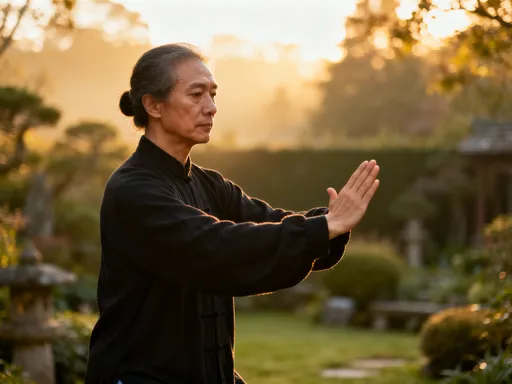
Qi gong (also spelled qigong) is a centuries-old practice rooted in Chinese healing traditions. It combines three elements: intentional movement, coordinated breathing, and focused awareness. Unlike high-intensity workouts or competitive sports, qi gong emphasizes softness, fluidity, and internal sensation. It is often described as “moving meditation,” but it differs from seated mindfulness practices in that it engages the body as an active participant in calming the mind.
While yoga and meditation are valuable tools, qi gong offers a distinct approach. Yoga, particularly in Western forms, often emphasizes flexibility, strength, and alignment—goals that can feel intimidating or physically demanding for those with joint pain, limited mobility, or chronic fatigue. Meditation, though powerful, requires stillness and mental discipline that many find difficult when anxiety is high. Qi gong bridges the gap by offering movement that is gentle enough for all fitness levels and mental focus that is anchored in physical sensation rather than abstract thought.
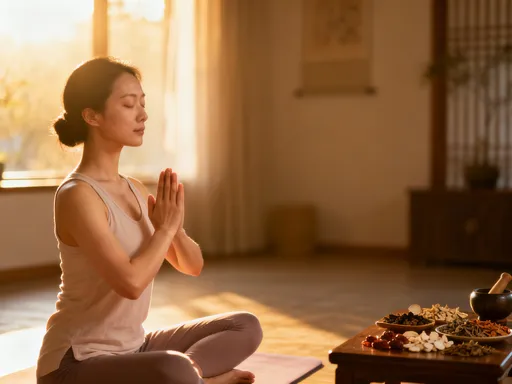
Importantly, qi gong is not a religious practice. It does not require belief in any doctrine or adherence to spiritual principles. Instead, it functions as a practical system for regulating energy and attention. In integrative health settings, including hospitals and wellness centers, qi gong is increasingly recognized as a complementary tool for stress reduction, pain management, and emotional resilience. Its accessibility makes it especially suitable for women managing busy households or recovering from periods of burnout. You don’t need special equipment, a quiet room, or even a full hour—just a few minutes and the willingness to tune in.
The Core Mechanism: Breath, Motion, and Mental Focus
The effectiveness of qi gong lies in its triad of components: diaphragmatic breathing, slow rhythmic movement, and present-moment awareness. Each element plays a specific role, but it is their coordination that creates the most profound effect. When breath, motion, and mind move together in harmony, the body receives a clear message: you are safe, you are grounded, you can relax.
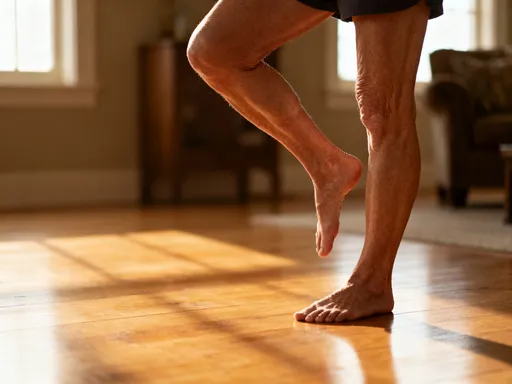
Diaphragmatic breathing—deep, belly-centered breaths—triggers a physiological response that counters stress. As the diaphragm moves downward during inhalation, it gently massages the vagus nerve, a key component of the parasympathetic nervous system. This nerve acts like a brake on the body’s stress response, helping to slow heart rate and reduce blood pressure. When combined with slow, flowing movements—such as raising the arms in a circular motion or shifting weight gently from one foot to the other—the effect is amplified. The rhythm of the movement helps regulate the breath, and the breath, in turn, deepens the sense of calm.
Present-moment awareness completes the cycle. Unlike distracted thinking—where the mind jumps between past regrets and future worries—qi gong encourages attention to physical sensations: the warmth in the palms, the rise and fall of the abdomen, the contact of the feet with the floor. This grounding effect pulls the mind out of rumination and into the safety of the now. A well-known qi gong exercise, “Lifting the Sky,” exemplifies this integration. As the arms rise slowly overhead on an inhale, the breath expands the lungs and the mind visualizes drawing in fresh energy. As the arms lower on the exhale, tension is released, and the body settles. This simple act, repeated just a few times, can dissolve mental fog and restore a sense of lightness.
A Simple 5-Minute Routine You Can Start Today
One of the most powerful aspects of qi gong is its simplicity. You don’t need prior experience, special clothing, or a dedicated space. The following five-minute routine is designed for beginners and can be practiced at home, in an office, or even before bed. The goal is not perfection, but consistency—showing up daily to send a signal of care to your nervous system.
Begin by standing with your feet shoulder-width apart, knees slightly bent, and arms relaxed at your sides. This is known as the “neutral stance” or *wu ji* position. Feel your weight evenly distributed through the soles of your feet. Close your eyes or soften your gaze. Take three deep belly breaths: inhale slowly through the nose, allowing the abdomen to expand, then exhale fully through the mouth, gently drawing the navel toward the spine. With each breath, imagine tension melting away.
Now, begin the “Lifting the Sky” movement. Inhale slowly as you raise both arms forward and upward in a wide arc, palms facing up, until they are overhead. Keep the movement smooth and relaxed—there is no need to strain. As your arms rise, imagine drawing in calm, clear energy from the environment. At the top of the inhale, pause briefly. Then, as you exhale, slowly lower your arms back down in front of the body, palms turning downward as if gently pressing a ball into the earth. Feel a sense of release with each exhale. Repeat this sequence three to five times, coordinating breath with motion.
To finish, return to the neutral stance. Place your hands over your lower abdomen, just below the navel—the area known as the *dantian*, considered the body’s energy center in TCM. Take three more slow breaths, focusing on the warmth of your hands and the rise and fall of your belly. When you’re ready, gently open your eyes. Notice how your body feels—more grounded, more centered? Even this brief practice can serve as a reset button for a hectic day. Ideal times to practice include first thing in the morning, during a midday break, or 30 minutes before bedtime to support relaxation and sleep.
Real Effects I Experienced—and What Science Says
When I first started this practice, I was skeptical. Could five minutes of slow arm movements really make a difference? Within three days, I noticed subtle shifts. My mind felt less cluttered in the mornings. I was less reactive during stressful moments—like when the kids were arguing or work emails piled up. Most noticeably, I began falling asleep more easily. I wasn’t doing anything else differently—no new supplements, no changes to diet—just this short daily routine.
Over the next few weeks, the changes deepened. I experienced fewer anxiety spikes, especially in social situations that used to make me self-conscious. My breathing became naturally slower and deeper, even when I wasn’t practicing. Emotionally, I felt more resilient—better able to handle disappointments or unexpected setbacks without spiraling. These personal observations are not unique. A growing body of research supports the benefits of mind-body practices like qi gong for mental health.
Studies have shown that regular practice can improve heart rate variability (HRV), a key indicator of nervous system flexibility and stress resilience. Higher HRV is associated with better emotional regulation and lower risk of anxiety and depression. Research published in the *Journal of Psychosomatic Research* found that participants who practiced qi gong for eight weeks showed significant reductions in cortisol levels and improvements in mood compared to control groups. Importantly, these benefits were observed across diverse populations, including older adults, cancer survivors, and individuals with chronic stress. While qi gong is not a substitute for professional treatment in cases of clinical anxiety or depression, it serves as a powerful complementary tool—one that supports the body’s natural capacity to heal and rebalance.
Making It Stick: How to Weave Qi Gong Into a Busy Life
The biggest obstacle to any new habit isn’t motivation—it’s integration. Many women want to prioritize self-care but struggle to find the time. The key to making qi gong a lasting practice is to attach it to something you already do every day. For example, practice right after brushing your teeth in the morning, before checking your phone. Or do a shortened version during a lunch break, standing near a window or in a quiet corner. The goal is not duration, but consistency. Five minutes daily is more effective than 30 minutes once a week.
It’s also important to manage expectations. Some days, your mind will still feel busy. Some days, you might forget to practice. That’s normal. Qi gong is not about achieving a perfect state of calm—it’s about showing up, again and again, to nurture your inner balance. Keep a small journal to note subtle changes: better sleep, less muscle tension, a moment of patience you wouldn’t have had before. These small wins build confidence and reinforce the habit.
If skepticism arises, remind yourself that this isn’t about belief—it’s about experience. You don’t need to “feel energy” to benefit from the practice. The physiological effects—slower breathing, relaxed muscles, calmer thoughts—are real and measurable. Over time, the practice becomes less of a “routine” and more of a natural pause in your day—a moment of return, like coming home to yourself. For women who spend so much time caring for others, this daily act of presence is not indulgent. It is essential.
Qi gong offers a fast, gentle, and natural path to mental balance by working with the body’s innate rhythms. It doesn’t require complexity, expensive tools, or hours of commitment. What it does require is willingness—to pause, to breathe, to move with intention. Psychological well-being isn’t about eliminating stress entirely; it’s about building resilience so that stress doesn’t accumulate and overwhelm. By integrating this ancient practice into modern life, you’re not just managing symptoms—you’re cultivating a deeper, more sustainable form of self-care. Rooted in centuries of wisdom and supported by modern science, qi gong is more than a technique. It’s a quiet promise to yourself: I am worth this moment of calm.