Pilates in 10 Minutes: My Daily Shield Against Modern Health Threats
What if just 10 minutes a day could protect your body before problems even start? I’ve been there—stiff back, low energy, always one step from burnout. Then I tried daily micro Pilates. No gym, no gear, just me and my mat. Within weeks, my posture improved, my joints felt stronger, and I stopped dreading stairs. It’s not magic—it’s movement that teaches your body to stay resilient. This is how I built a habit that works quietly, every day, to keep me ahead of preventable health issues.
The Hidden Cost of Stillness
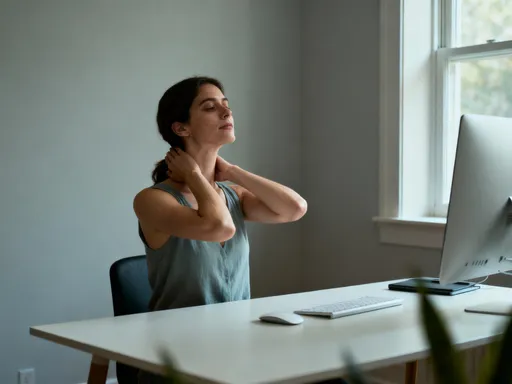
Modern life moves fast, but our bodies often do not. The average adult spends over eight hours a day sitting—whether at a desk, in front of a screen, or behind the wheel. This prolonged stillness may seem harmless, even productive, but it sends quiet stress signals through the body. Muscles stiffen, circulation slows, and joints lose their natural lubrication. Over time, the spine begins to bear uneven pressure, especially in the lower back and neck. Many women in their 30s to 50s report waking up with a tightness between the shoulder blades or a dull ache in the hips—signs not of aging, but of underuse.
The human body was designed for movement, not endurance sitting. When we remain static for hours, the deep stabilizing muscles—especially those supporting the core and pelvis—begin to weaken. This weakening contributes to poor posture, which in turn increases strain on the spine. Studies have shown that poor spinal alignment is linked to chronic back pain, reduced lung capacity, and even digestive discomfort. The irony is that many of us seek relief through medication or occasional stretching, yet the real solution lies in consistent, mindful motion.
Consider the common scenario: after a long day of emails and errands, you settle onto the couch, only to feel stiff when standing. That stiffness is not just discomfort—it’s a warning. The body is signaling that it needs regular recalibration. Without it, minor imbalances can evolve into long-term issues such as joint degeneration, reduced mobility, and increased risk of injury. The cost of stillness is not immediate, but it accumulates silently, like rust on a hinge that no longer moves freely.
Why Pilates? The Science Behind the Stretch
Among the many forms of exercise, Pilates stands out for its focus on functional movement, precision, and body awareness. Developed in the early 20th century by Joseph Pilates, this method emphasizes core strength, spinal alignment, and controlled breathing. Unlike high-intensity workouts that may strain joints or overwork muscles, Pilates works gently to retrain the body’s movement patterns. It’s particularly effective for those seeking sustainable, low-impact ways to maintain health without added stress.
Scientific research supports the benefits of mind-body exercises like Pilates. Studies have found that regular practice improves balance, flexibility, and postural control—key factors in preventing falls and injuries, especially as we age. One review published in the Journal of Bodywork and Movement Therapies showed that participants who practiced Pilates twice a week for six weeks experienced significant improvements in core endurance and lower back pain reduction. These changes are not about building bulk, but about restoring the body’s natural stability.
What makes Pilates uniquely suited for preventive health is its emphasis on neuromuscular coordination—the communication between the brain and muscles. By performing slow, deliberate movements, practitioners learn to engage the right muscles at the right time. For example, a simple pelvic tilt activates the transverse abdominis, the deepest core muscle, which acts like a natural corset for the spine. Over time, this re-education helps correct imbalances caused by daily habits like slouching or favoring one side while standing.
Additionally, Pilates integrates breath with movement, encouraging diaphragmatic breathing that enhances oxygen flow and reduces tension. This mindful breathing not only supports physical performance but also calms the nervous system, helping to manage stress—a known contributor to chronic inflammation and cardiovascular strain. In this way, Pilates is not just physical training; it’s a holistic practice that supports both body and mind.
My 10-Minute Rule: Small Movements, Big Impact
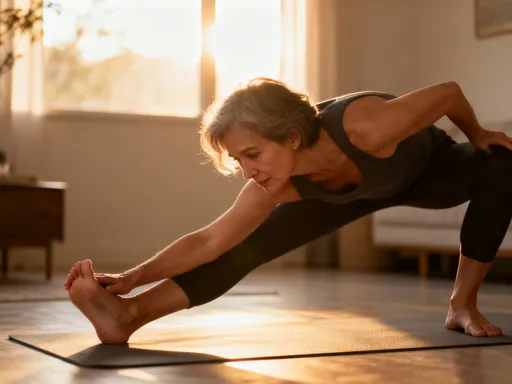
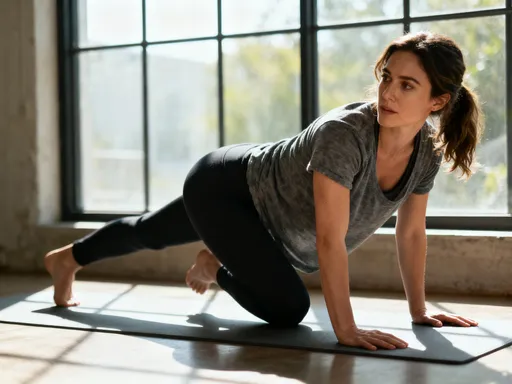
The idea of exercising for just 10 minutes a day might seem too simple to make a difference. But consistency, not duration, is the key to lasting change. My daily routine consists of five foundational Pilates exercises, each performed with attention to form and breath. I do them every morning, right after brushing my teeth—no need for special clothes or equipment. A yoga mat in the living room is all I use, and the entire session fits neatly between my morning coffee and breakfast.
The first movement is the pelvic tilt, a gentle rocking of the pelvis that warms up the spine and activates the deep core. I lie on my back, knees bent, and slowly press the lower back into the mat, then release. This simple motion reestablishes neutral pelvic alignment and relieves tension in the lumbar region. Next is the spine stretch forward, done while seated. I sit tall, inhale to lengthen the spine, then exhale as I curl forward, reaching toward my toes. This stretch improves spinal flexibility and counteracts the forward hunch many develop from screen use.
Then comes the shoulder bridge, a classic Pilates move that strengthens the glutes, hamstrings, and lower back. I lift my hips slowly, one vertebra at a time, then lower with control. This builds posterior chain strength, which supports healthy walking and stair climbing. The fourth exercise is the single-leg stretch, performed lying on the back. I alternate bringing one knee toward the chest while extending the other leg, engaging the core to stabilize the pelvis. This movement enhances coordination and deep abdominal strength.
I finish with the saw, a seated twist that promotes spinal rotation and stretches the obliques. Sitting with legs in a wide 'V', I rotate my torso and reach the opposite hand toward the foot, keeping the spine long. This twist aids digestion and improves thoracic mobility, which often diminishes with age. Each exercise takes about one to two minutes, and I repeat them in a flowing sequence. The total time: just 10 minutes. Yet this short practice sets the tone for my entire day, leaving me feeling aligned, energized, and centered.
How It Builds Disease-Prevention Strength
Preventive health is not just about avoiding illness—it’s about building resilience. Daily micro Pilates contributes to this resilience in measurable ways. By improving posture, it reduces abnormal stress on the spine, lowering the risk of disc degeneration and chronic back pain. Stronger core muscles support better balance, which is critical in preventing falls—a leading cause of injury among middle-aged and older adults. Even circulation benefits, as movement encourages blood flow to muscles and joints, delivering nutrients and removing metabolic waste.
One of the most significant long-term benefits is joint preservation. Joints rely on movement to stay lubricated; synovial fluid, which cushions cartilage, circulates best when joints are regularly taken through their full range of motion. Pilates movements are designed to promote this kind of motion without impact, making them ideal for maintaining joint health. For women managing the physical changes of perimenopause or menopause, this can mean greater comfort and mobility during a time when stiffness and fatigue often increase.
Beyond the physical, Pilates supports metabolic and cardiovascular wellness indirectly. While it is not an aerobic workout, the improved posture and breathing efficiency enhance oxygen utilization, which supports energy levels and mental clarity. Better body awareness also leads to more conscious daily choices—like standing up to stretch during phone calls or adjusting seating positions to avoid slouching. These small behaviors, repeated over time, compound into meaningful health protection.
Additionally, the mental focus required in Pilates fosters mindfulness, which has been linked to lower levels of cortisol, the stress hormone. Chronic stress is associated with a range of health issues, including high blood pressure, weakened immunity, and sleep disturbances. By incorporating a mindful movement practice into daily life, women can create a buffer against these modern health threats. In this way, 10 minutes of Pilates is not just exercise—it’s a proactive investment in long-term vitality.
Making It Stick: From “I Should” to “I Do”
Starting a new habit is often easier than maintaining it. The transition from “I should do Pilates” to “I do Pilates” requires strategy and self-compassion. The most effective approach I’ve found is habit stacking—linking the new behavior to an existing daily routine. Since I already brush my teeth every morning, I now follow it immediately with my 10-minute Pilates session. This simple pairing removes the need for decision-making and reduces resistance.
Another key factor is environment. I keep my mat unrolled in a quiet corner of the living room, visible and accessible. When the mat is out of sight, it’s easy to forget or delay. But seeing it each morning serves as a gentle visual cue. I also set a daily phone reminder labeled “Move with care,” which reinforces the intention behind the practice. Tracking progress helps too—I keep a small notebook where I jot down how I feel after each session: “energized,” “looser hips,” “less shoulder tension.” These notes build motivation by showing tangible benefits over time.
It’s important to acknowledge that some days, fatigue or busyness may interfere. On those days, I allow myself to modify the routine—perhaps doing just three moves instead of five. The goal is consistency, not perfection. What matters most is showing up, even briefly. Over time, the body begins to crave the release and alignment that Pilates provides, turning obligation into desire. This shift is powerful: the practice is no longer something added to the day, but something the day needs to feel complete.
Beyond the Mat: Mindful Awareness in Daily Life
The benefits of Pilates extend far beyond the 10 minutes on the mat. One of the most profound changes I’ve noticed is increased body awareness. I now catch myself before slumping at the kitchen counter or holding tension in my jaw during a busy afternoon. This awareness allows me to make small corrections throughout the day—sitting taller, breathing deeper, shifting my weight when standing for long periods.
Mindful movement teaches the body to communicate. A tight shoulder isn’t just discomfort; it’s a signal to pause and reset. This sensitivity leads to healthier habits: I take short walking breaks, stretch while waiting for the kettle to boil, or do a seated spinal twist during a phone call. These micro-movements, inspired by Pilates principles, keep my body engaged and prevent the accumulation of stiffness.
Moreover, the breathwork practiced in Pilates has become a tool for emotional regulation. When feeling overwhelmed, I use the same diaphragmatic breathing—inhaling deeply through the nose, expanding the ribcage, and exhaling slowly—to calm my nervous system. This simple technique, rooted in the Pilates method, helps me respond to stress with clarity rather than reactivity. In this way, the practice nurtures not only physical health but emotional balance.
Over time, this heightened awareness influences broader lifestyle choices. I’m more likely to choose comfortable, supportive footwear. I pay attention to ergonomics at home—adjusting chair height, using a lumbar pillow, placing the computer at eye level. These adjustments, small as they may seem, contribute to a life that supports the body rather than strains it. Pilates, in essence, becomes a lens through which I view daily living—a reminder that health is built in the details.
When to Seek Expert Guidance
While Pilates is accessible and safe for most people, individual needs vary. Women with a history of back injuries, joint conditions, or recent surgeries should consult a healthcare provider before beginning any new exercise routine. A physical therapist or certified Pilates instructor can provide personalized modifications to ensure movements are performed safely and effectively.
Working with a professional, even for a few sessions, can be invaluable. An instructor can observe alignment, correct subtle imbalances, and suggest progressions based on individual goals. For those unsure about proper form, online videos or community classes led by certified trainers offer reliable guidance. The goal is not perfection, but safety and effectiveness.
It’s also important to recognize that self-care practices like Pilates complement, but do not replace, professional medical care. Persistent pain, numbness, or limited mobility should always be evaluated by a qualified provider. Using Pilates as a preventive tool does not mean ignoring symptoms—rather, it means building a stronger foundation so that the body is better equipped to heal and adapt when challenges arise.
By combining personal practice with professional insight, women can create a balanced approach to long-term health. This integration of self-awareness and expert support ensures that movement remains a source of strength, not strain.
Pilates is not a trend or a quick fix. It is a daily act of care—a quiet commitment to moving well so that life can be lived fully. In just 10 minutes a day, it builds resilience, prevents dysfunction, and fosters a deeper connection between mind and body. The best medicine may not come in a bottle, but in the simple, intentional act of movement. What if, instead of waiting for pain to appear, we moved to prevent it? That shift in mindset—from reaction to prevention—is where true wellness begins.