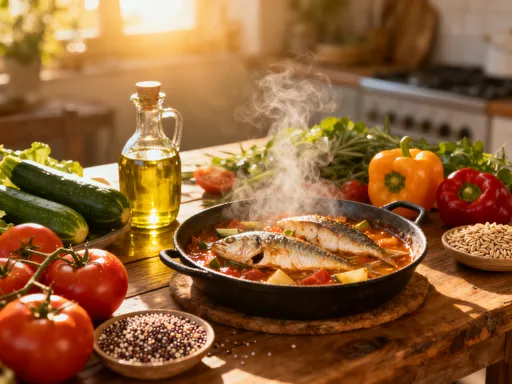
How I Made Mediterranean Eating My Everyday Rhythm – And Why It Actually Stuck
Ever feel like healthy eating is all starts and no follow-through? I’ve been there. But when I shifted from chasing diets to building a lifestyle, everything changed. Inspired by the Mediterranean way, I stopped counting calories and started savoring real food—olive oil, veggies, whole grains, and shared meals. It’s not perfect, but it’s sustainable. This is how a simple system transformed my habits—and can help reshape yours too—without hype, just honesty.
The Burnout Behind the Switch
Many people abandon healthy eating not because they lack determination, but because the systems they follow are built on restriction rather than rhythm. For years, I cycled through popular eating trends—low-carb regimens, juice cleanses, protein shakes—each promising quick results. Yet, within weeks, I’d find myself exhausted, unsatisfied, and slipping back into old patterns. The cycle repeated: motivation, effort, burnout, guilt. The real problem wasn’t my discipline—it was the framework. These diets treated food as something to be controlled, measured, and limited, rather than enjoyed and respected.
The turning point came when I stopped asking, What should I cut out? and started asking, What can I add in? That’s when I discovered the Mediterranean approach. Unlike modern fad diets, it doesn’t eliminate entire food groups or require special products. Instead, it offers a way of living that evolved over centuries in regions like Greece, southern Italy, and coastal Spain. People in these areas didn’t follow a diet plan—they followed a daily rhythm shaped by seasonal ingredients, family meals, and natural movement. There was no counting, no guilt, and no obsession. Food was simply part of life.
This cultural perspective shifted my mindset. I began to see nutrition not as a short-term fix but as a long-term pattern, like brushing my teeth or going for a walk. The Mediterranean lifestyle didn’t demand perfection. It encouraged presence—being mindful of what I ate, how I prepared it, and who I shared it with. Once I stopped viewing food as the enemy, eating well became less of a struggle and more of a natural habit.
What the Mediterranean Lifestyle Really Is (Beyond the Plate)
When most people hear the term Mediterranean diet, they picture olive oil drizzled over tomatoes, fresh fish grilled with lemon, or crusty bread dipped in balsamic. While these foods are part of the picture, the true essence goes far beyond ingredients. The Mediterranean lifestyle is a holistic system that blends eating, movement, connection, and mindfulness into everyday routines. It’s not about following a rigid set of rules but embracing a way of being that supports long-term well-being.
At its core, this lifestyle values balance. Meals are not rushed but enjoyed slowly, often with family or friends. The focus is on plant-based foods—vegetables, fruits, legumes, nuts, and whole grains—while animal proteins like fish and poultry appear in moderation. Red meat is reserved for special occasions, not daily consumption. Dairy, when included, tends to be fermented, such as yogurt or cheese, which supports gut health. Processed foods, refined sugars, and industrial seed oils are naturally limited, not because they’re banned, but because they don’t fit the rhythm of traditional cooking.
Another key element is movement. In Mediterranean cultures, physical activity isn’t structured around gym sessions or intense workouts. Instead, it’s woven into daily life—walking to the market, tending a garden, climbing stairs, or strolling after dinner. This natural movement supports circulation, digestion, and mental clarity without feeling like a chore. Similarly, rest and relaxation are honored. Midday breaks, long meals, and time spent outdoors contribute to lower stress levels, which science confirms play a major role in overall health.
The environment also shapes the lifestyle. Coastal regions offer access to fresh seafood, while fertile land supports seasonal produce. Sunlight encourages outdoor living, and community traditions foster connection. While we may not live beside the Aegean Sea, we can still adopt the principles—choosing local, seasonal foods, prioritizing shared meals, and building movement into our routines. The Mediterranean way isn’t about geography; it’s about mindset.
Why This Approach Works Where Others Fail
Most diets fail because they rely on willpower, restriction, and rapid change—conditions that are difficult to maintain. The Mediterranean pattern succeeds because it’s flexible, enjoyable, and sustainable. Research from long-term studies, including the PREDIMED trial, consistently shows that people who follow this eating style have lower rates of heart disease, type 2 diabetes, and cognitive decline. These benefits aren’t due to a single magic ingredient but to the cumulative effect of small, consistent choices.
One reason is the nutritional quality of the foods involved. Vegetables and fruits provide antioxidants and fiber, which support immune function and digestive health. Whole grains offer sustained energy and help regulate blood sugar. Legumes like lentils and chickpeas are rich in plant-based protein and fiber, promoting fullness and gut health. Olive oil, a staple fat, contains monounsaturated fats and polyphenols that help reduce inflammation and support cardiovascular function. Fish, especially fatty varieties like salmon and sardines, supply omega-3 fatty acids, which are linked to improved brain health and mood stability.
Equally important is what’s missing: ultra-processed foods, added sugars, and refined carbohydrates. These items contribute to inflammation, insulin resistance, and energy crashes—all factors that make healthy eating feel harder. By focusing on whole, minimally processed ingredients, the Mediterranean approach reduces these stressors on the body. Meals are satisfying not because they’re large, but because they’re nutrient-dense and flavorful.
Perhaps the most powerful aspect is psychological. Because this way of eating doesn’t feel like deprivation, people are more likely to stick with it. There’s room for bread, wine, and even dessert—just in moderation and with awareness. This flexibility prevents the all-or-nothing thinking that derails so many diet attempts. Instead of feeling restricted, people feel empowered. Over time, these choices become habits, not sacrifices.
Building Your Own Mediterranean-Style Routine
You don’t need to relocate to a seaside village to embrace this lifestyle. The principles can be adapted to modern, busy lives with small, intentional changes. Start by rethinking your plate. Instead of making meat the centerpiece, let vegetables take the lead. Fill half your plate with colorful produce—roasted peppers, sautéed greens, grilled zucchini, or a mixed salad. Add a serving of whole grains like farro, quinoa, or brown rice, and include a plant-based protein such as beans, lentils, or tofu. Use extra virgin olive oil as your primary fat for cooking and dressing.
Seasonality plays a big role in Mediterranean eating. In spring, meals feature asparagus, artichokes, and fresh herbs. Summer brings tomatoes, cucumbers, and stone fruits. Fall offers squash, figs, and grapes. Winter highlights citrus, dark greens, and root vegetables. While you may not grow your own produce, you can shop with the seasons by visiting farmers’ markets or checking what’s on sale at the grocery store. Seasonal foods are often fresher, tastier, and more affordable. They also encourage variety, which supports a broader range of nutrients.
Cooking at home is another cornerstone. When you prepare your own meals, you control the ingredients and avoid hidden sugars and unhealthy fats. Start with simple recipes—roast a tray of vegetables with olive oil and herbs, simmer a pot of lentil soup, or toss a grain salad with chopped vegetables and feta. Batch cooking on weekends can save time during the week. Keep pre-washed greens, chopped vegetables, and cooked grains in the fridge for quick assembly.
Drinks matter too. Instead of sugary sodas or sweetened coffee drinks, opt for water, herbal tea, or sparkling water with lemon. If you enjoy wine, a small glass with dinner—especially red wine—is part of the tradition and has been linked to heart benefits in moderation. The key is consistency over perfection. Swap butter for olive oil, choose whole grain bread over white, add a handful of nuts to your yogurt. Each small change builds momentum.
Meal Patterns, Not Meal Plans
One of the most freeing aspects of the Mediterranean lifestyle is that it doesn’t rely on rigid meal plans. Instead, it follows flexible patterns—repeating healthy staples in different combinations. This prevents boredom and makes long-term adherence easier. Breakfast might be thick Greek yogurt with walnuts, honey, and seasonal fruit. Another day, it could be whole grain toast with avocado and a poached egg. The pattern is simple: include protein, healthy fat, and fiber to stay full and energized.
Lunch often features a large bowl of food—what some call a “power bowl.” Base it on greens or whole grains, add beans or grilled chicken, top with vegetables, and finish with a drizzle of olive oil and lemon juice. A slice of whole grain bread on the side completes the meal. Leftovers from dinner, like roasted vegetables or stew, make excellent lunch options. The goal is satisfaction, not scarcity.
Dinner tends to be lighter but still flavorful. A baked fish fillet with a side of sautéed spinach and quinoa is both nourishing and easy to prepare. Or try a vegetable frittata with a side salad. Soups and stews are ideal for cooler months—lentil soup, minestrone, or fish stew simmered with tomatoes and herbs. These meals are comforting, nutrient-rich, and often taste better the next day.
Snacks are simple and whole-food based. A small handful of almonds, a piece of fruit, a few olives, or a slice of cheese with whole grain crackers all fit the pattern. The idea is to choose foods that sustain energy, not spike blood sugar. By rotating ingredients and flavors—using different herbs, spices, and cooking methods—meals stay interesting without requiring complex recipes.
Integrating Movement and Mindset
Health is not just about food—it’s also about how we move and how we think. In Mediterranean cultures, physical activity is not separated from daily life. People walk to run errands, stand while talking, garden on weekends, and take leisurely strolls after dinner. This natural movement supports circulation, joint health, and mental well-being. You don’t need a gym membership or high-intensity workouts to benefit. Simply increasing daily steps can make a meaningful difference.
I started by adding a 20-minute walk after dinner. At first, it felt like an extra task, but soon it became a cherished part of my evening. I noticed improvements in digestion, sleep, and mood. On days I skipped it, I felt more sluggish. Walking after meals also helps regulate blood sugar, especially after carbohydrate-rich dishes. Over time, I added short stretching sessions in the morning and took the stairs whenever possible. These small actions, done consistently, added up.
Mindset is equally important. The Mediterranean approach encourages mindful eating—paying attention to hunger and fullness cues, chewing slowly, and savoring each bite. This practice helps prevent overeating and enhances enjoyment. Instead of eating in front of the TV or while scrolling through a phone, try sitting at a table, free from distractions. Notice the colors, textures, and aromas of your food. When you eat with others, conversation naturally slows the pace. These moments of presence contribute to both physical and emotional well-being.
Stress management is another unspoken pillar. Chronic stress negatively impacts digestion, immunity, and heart health. The Mediterranean lifestyle includes built-in pauses—long meals, afternoon rests, time in nature. While modern life may not allow for a two-hour lunch, you can create small respites. Step outside for five minutes of fresh air, practice deep breathing, or enjoy a cup of herbal tea in silence. These moments of calm support long-term health just as much as food and movement.
Making It Last: Habits That Stick
Sustainable change doesn’t come from willpower alone—it comes from identity. I stopped saying, “I’m trying to eat healthy,” and started saying, “I’m someone who values real food.” That subtle shift changed everything. When a behavior becomes part of who you are, it no longer feels like a sacrifice. It becomes your norm. This transformation happens through small, repeated actions that build confidence and consistency.
Habit stacking is a powerful tool. Attach a new behavior to an existing routine. For example, after you pour your morning coffee, wash and chop a vegetable for later. After dinner, put on your shoes and step outside for a short walk. These cues make new habits easier to remember and perform. Over time, they become automatic.
Environment design also plays a crucial role. Keep a bowl of fresh fruit on the counter, store cut vegetables at eye level in the fridge, and leave a walking journal by the door. Remove obstacles to healthy choices. If you’re less likely to snack on nuts when they’re hidden in the pantry, keep them in a visible jar on the counter. Make the healthy choice the easy choice.
Progress isn’t linear. There will be days when you eat out, skip a walk, or choose convenience over preparation. That’s normal. The goal isn’t perfection but persistence. Each choice matters, and each day offers a new opportunity. Over months and years, these small decisions shape your health trajectory. The Mediterranean lifestyle isn’t about quick results—it’s about lasting well-being.
Adopting the Mediterranean lifestyle wasn’t about following rules—it was about reclaiming a simpler, more joyful way of living. It’s not a quick fix, but a slow, steady upgrade to how you eat, move, and think about health. By focusing on patterns, pleasure, and sustainability, this system offers a realistic path forward—one meal, one walk, one mindful moment at a time. And honestly? I wish I’d started sooner.