How I Turned My Weekend Hobbies Into Smart Investments
What if your next concert ticket or cooking class could do more than just entertain you? I used to see experience spending as just a cost—until I realized some of these moments were quietly building value. From wine tastings to travel retreats, certain experiences don’t just enrich life—they can sharpen financial instincts and even open doors to smarter investing. This is how I started treating experience consumption as a strategic playground, not just leisure. Over time, I learned to distinguish between spending that drains resources and spending that builds insight, connections, and long-term financial awareness. What began as a personal curiosity evolved into a disciplined approach: using discretionary time and money to invest in experiences with hidden returns.
The Shift: From Spending to Strategic Experiencing
For years, I categorized all leisure spending the same way—non-essential, non-recoverable, and emotionally driven. A weekend workshop on artisanal cheese making? Fun, but not useful. A weekend getaway to a wellness retreat? A nice break, but hardly productive. It wasn’t until I started tracking how certain experiences led to unexpected outcomes that my perspective changed. One food-focused tour introduced me to a small-batch olive oil producer whose distribution model sparked an idea for a local retail partnership. Another weekend seminar on sustainable agriculture connected me with a community of small investors exploring regenerative farming as a long-term asset class.
These weren’t isolated events. I began noticing a pattern: some experiences delivered far more than enjoyment. They offered exposure to new markets, insights into consumer behavior, or access to networks I wouldn’t have encountered otherwise. This realization marked a shift—from passive consumption to strategic experiencing. Instead of viewing discretionary spending as purely recreational, I started asking: Could this also be a form of low-cost, high-potential investment in knowledge and opportunity? The answer, more often than not, was yes. This mindset didn’t eliminate leisure, but it refined it. I became more intentional about where I directed my time and money, treating each experience as a potential catalyst for financial growth.
The shift wasn’t immediate, nor was it driven by a desire to monetize every moment. It came from observing real outcomes over time. A single conversation at a design festival led to a collaboration on a home goods line that later generated passive income. A weekend course in fermentation techniques didn’t turn me into a professional chef, but it deepened my understanding of supply chains and niche markets. These weren’t grand returns, but they were real. And collectively, they reshaped how I thought about value creation. The key was not to abandon enjoyment, but to align it with learning and long-term financial awareness.
Experience as an Asset: Redefining Investment Tools
When most people think of investing, they picture stocks, bonds, or real estate—tangible assets with measurable returns. But what if we expanded that definition? What if certain experiences—carefully chosen—could function as non-traditional yet valuable investment tools? Unlike financial instruments, experiences don’t show up on a balance sheet, but they can yield high returns in the form of knowledge, confidence, and market insight. A well-structured masterclass, for example, isn’t just entertainment; it’s a form of financial education. A founder-led tour of a craft brewery isn’t just a fun outing; it’s a case study in small business operations, branding, and customer loyalty.
These experiences offer something traditional investments often lack: direct exposure to real-world dynamics. Reading about the rise of plant-based foods is one thing; attending a live tasting event featuring emerging brands is another. The latter allows you to observe consumer reactions, taste product quality, and speak directly with entrepreneurs. This kind of firsthand knowledge is invaluable when evaluating investment opportunities in food tech or consumer goods. Similarly, participating in a community-based art fair can reveal trends in local economies, creative entrepreneurship, and shifting consumer preferences—all of which inform smarter financial decisions.
The advantage of treating experiences as assets lies in their low entry cost and high informational yield. Unlike buying stock in a startup, attending a networking event carries minimal financial risk but offers rich potential for insight. You’re not betting capital; you’re gathering intelligence. Over time, this intelligence compounds. The more you expose yourself to diverse industries and business models, the better you become at spotting patterns, assessing risks, and identifying opportunities. In this way, experiences function like a personal research and development lab—one that builds financial literacy without requiring a formal finance background.
Spotting Value: What Makes an Experience Investable?
Not every experience is worth treating as an investment. The key is learning to distinguish between those that offer real takeaways and those that are purely consumptive. I developed a simple evaluation framework: Does this experience offer learning, connection, or exposure? If the answer is yes to at least one, it has potential. For example, a cooking class that teaches knife skills and ingredient sourcing offers learning. A local business mixer offers connection. A curated travel tour that includes behind-the-scenes visits to artisan workshops offers exposure to premium craftsmanship and niche markets.
Consider the difference between attending a generic food festival and a specialized culinary tour led by a chef with international experience. The former might be enjoyable, but the latter provides deeper insight into flavor trends, global supply chains, and brand storytelling. That kind of knowledge can inform investment decisions in food and beverage startups or inspire a side business in gourmet products. Similarly, a weekend pottery workshop might seem like a hobby, but if it includes a session on pricing, marketing, and selling handmade goods, it becomes a mini-course in entrepreneurship.
I also began evaluating experiences based on their scalability of insight. Could what I learn here apply to other areas of my financial life? A single conversation with a small business owner about cash flow management might not change my portfolio overnight, but it could improve how I manage my own household budget or assess the financial health of a company I’m considering investing in. The most valuable experiences are those that offer transferable knowledge—lessons that extend beyond the moment and into long-term decision-making.
Balancing Risk: When Experiences Don’t Pay Off
Just like any investment, not every experience delivers a return. I’ve attended events that promised networking but delivered little more than small talk. I’ve paid for workshops that were poorly structured or overly promotional. One high-end wellness retreat, marketed as a space for “conscious entrepreneurs,” turned out to be focused entirely on meditation and self-care—with no business or financial components. While personally rejuvenating, it offered no strategic value. These moments taught me an important lesson: not every experience needs to pay off financially to be worthwhile, but I should recognize the difference between personal enrichment and financial investment.
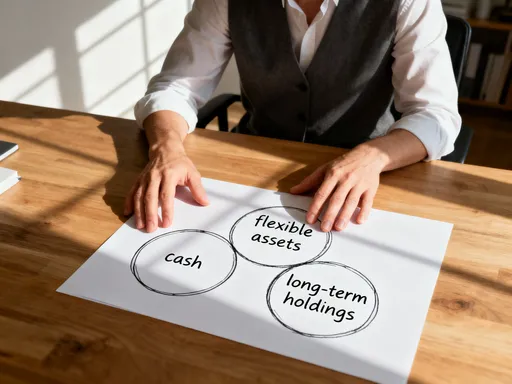
Risk management in this context means diversifying my experience portfolio. Just as a balanced investment portfolio includes a mix of asset classes, my experience spending now includes a blend of purely recreational, educational, and network-focused activities. I allocate a portion of my discretionary budget to high-potential experiences—those with clear learning or connection goals—while reserving some for pure enjoyment. This approach ensures I don’t burn out from over-optimizing every moment, while still maintaining a strategic edge.
I also learned to set realistic expectations. An experience doesn’t need to generate immediate income to be valuable. Sometimes, the return is delayed—a contact made months earlier resurfaces with a collaboration idea, or a forgotten insight suddenly becomes relevant. The key is to track outcomes over time, not judge each event in isolation. When an experience doesn’t deliver, I treat it as a partial loss and adjust accordingly, much like selling an underperforming stock. This mindset helps maintain discipline without eliminating spontaneity.
Practical Frameworks: Building Your Experience Investment Strategy
To make this approach sustainable, I developed a simple three-step system: assess, track, and reflect. Before committing to any experience—whether a $50 workshop or a $2,000 retreat—I assess its potential value. I ask: What could I gain beyond enjoyment? Is there a chance to learn a new skill, meet someone influential, or observe a business model in action? If the answer is unclear, I reconsider the expense or look for alternatives with stronger strategic potential.
After the experience, I track what I gained. I keep a digital journal where I log key insights, names of people I met, and ideas that emerged. Over time, this log became a valuable resource. I could see which types of events consistently delivered value—industry-specific conferences, founder-led tours, hands-on workshops—and which rarely did—generic social mixers, overly promotional seminars. This data-driven approach helped me refine my choices and allocate my budget more effectively.
The final step is reflection. Every quarter, I review my experience log and evaluate which categories delivered the highest return on investment. Did culinary events lead to new business ideas? Did travel experiences expand my understanding of global markets? This reflection isn’t about monetizing every moment, but about identifying patterns and adjusting my strategy. It turns emotional spending into a structured practice, one that aligns with my long-term financial goals without sacrificing enjoyment.
Blending Fun and Finance: Real-Life Applications
I tested this strategy across a range of activities, from local food festivals to international design fairs. One culinary tour in a coastal region introduced me to a family-run business importing Mediterranean spices. Their story—about sourcing, quality control, and building a loyal customer base—sparked an idea for a subscription box service. I didn’t launch it immediately, but the concept stayed with me. Months later, after further research and a few conversations with industry contacts, I partnered with a friend to pilot a small-scale version. It’s not a major income stream, but it’s growing—and it started with a single experience.
Another turning point came at a tech and sustainability conference. I attended mostly out of curiosity, not expecting financial outcomes. But during a panel on circular economies, I met a woman who had invested in a composting startup. Our conversation led to an introduction to her financial advisor, who later helped me restructure my portfolio to include more environmentally focused funds. That shift didn’t happen overnight, but it was rooted in a connection made at an event I initially saw as just educational.
These examples aren’t about getting rich quick. They’re about gradual, sustainable upgrades in financial thinking. Each experience served as a data point, enriching my understanding of markets, consumer behavior, and business models. Over time, this accumulation of insight made me more confident in my financial decisions—whether choosing a savings strategy, evaluating an investment opportunity, or planning for long-term goals. The fun never disappeared; it just became more purposeful.
The Bigger Picture: Wealth Beyond Returns
Ultimately, this strategy isn’t about turning every hobby into a profit center. That would be exhausting and counterproductive. The real goal is to cultivate a mindset where curiosity and consumption work together. By treating select experiences as learning labs, I’ve become more informed, more intentional, and more resilient in my financial life. I’m better at spotting trends, assessing risks, and recognizing opportunities—skills that matter far beyond any single investment.
Wealth, I’ve learned, isn’t just about numbers in a bank account. It’s about access to knowledge, networks, and the confidence to make decisions. Some of my most valuable financial insights came not from financial advisors or books, but from conversations at a craft market, observations at a food truck festival, or a workshop on natural dyeing techniques. These moments enriched my life in ways that go beyond money—yet they also contributed to smarter financial outcomes.
The real return on these experiences isn’t always measurable in dollars. It’s in the quiet confidence of knowing I’m making informed choices, the satisfaction of spotting an opportunity before it becomes obvious, and the peace of mind that comes from feeling in control of my financial journey. By aligning leisure with learning, I’ve built a richer life—one where fun and finance aren’t in conflict, but in conversation. And that, more than any single investment, is the foundation of lasting wealth.